
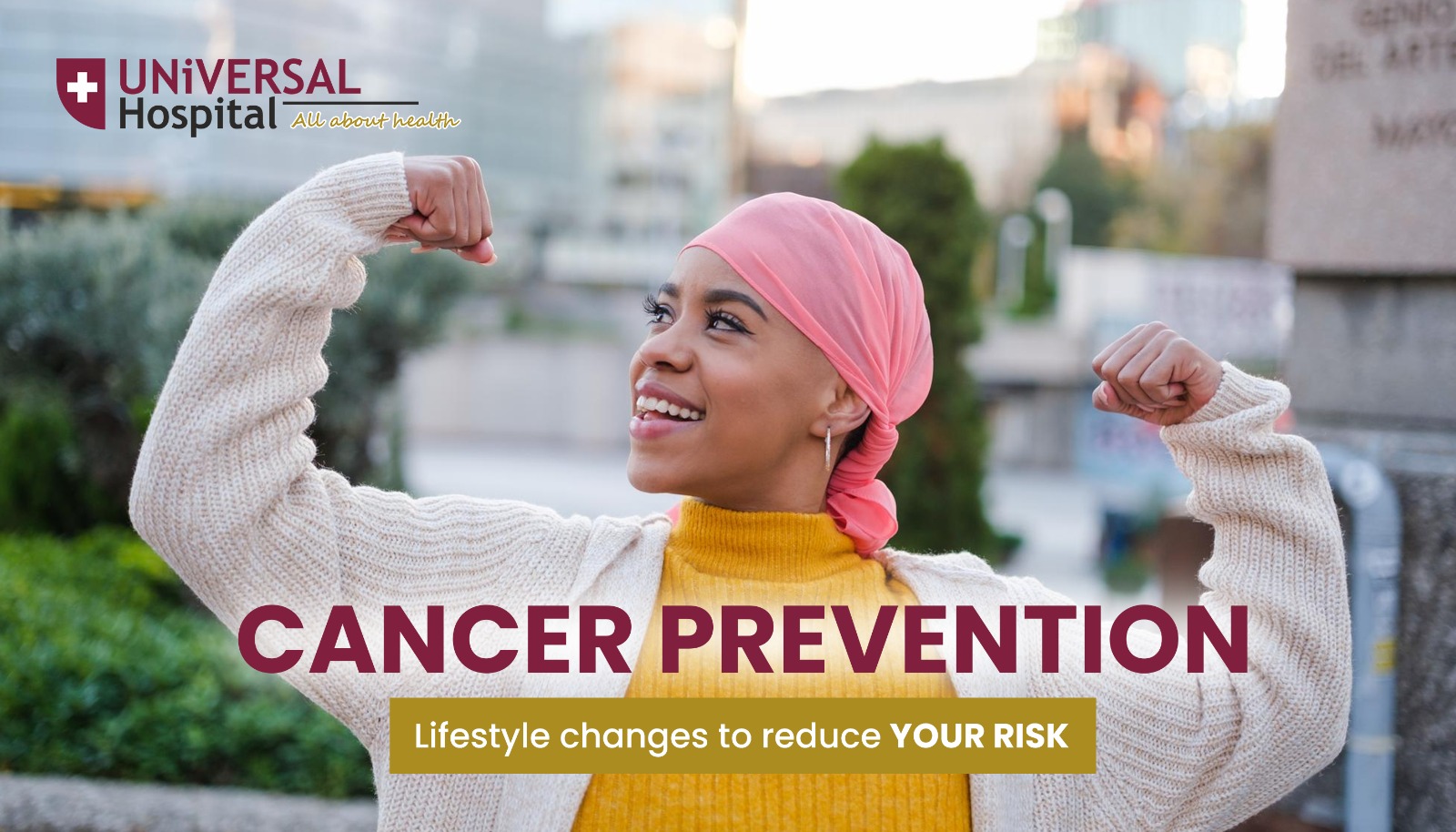
Cancer is one of the most concerning health conditions today, but there is an important message everyone should know: some cancer risks can be reduced through everyday choices and preventive healthcare.
Cancer does not have one single cause. Age, genetics, infections, environmental exposures, lifestyle habits, and other factors can all influence cancer risk. This means prevention is not about guaranteeing that cancer will never happen. Instead, it is about taking practical steps that can lower avoidable risks and help detect certain cancers earlier.
A healthy lifestyle, regular medical check-ups, appropriate cancer screening, and awareness of personal cancer risk factors can all play an important role.
At Universal Hospital Surat, cancer care combines specialist expertise, modern diagnostic and treatment facilities, and a multidisciplinary approach under one roof. The hospital provides cancer services along with medical oncology, surgical oncology, radiation oncology, nuclear medicine, and related specialties.
What Does Cancer Prevention Mean? Understanding Cancer Prevention
Cancer prevention means taking steps that may reduce the likelihood of developing cancer.
Some risk factors cannot be changed. For example:
- Age
- Family history
- Certain inherited genetic conditions
- Some aspects of reproductive history
However, several important risk factors can be influenced through lifestyle and preventive care.
According to cancer prevention guidance, avoiding tobacco, maintaining a healthy weight, staying physically active, eating a healthy diet, limiting alcohol, protecting the skin from excessive ultraviolet exposure, and keeping recommended vaccinations up to date can help reduce the risk of certain cancers.
Can Cancer Be Completely Prevented?
No lifestyle plan can guarantee complete protection from cancer.
Even people who follow a very healthy lifestyle can develop cancer, while some people with few known risk factors may also be diagnosed.
The goal is to reduce preventable cancer risks, identify cancers early when screening is appropriate, and seek medical advice when unusual symptoms appear.
Understanding Common Cancer Risk Factors
Knowing your cancer risk factors is the first step toward making informed health decisions.
Tobacco Use
Tobacco is one of the most important preventable causes of cancer.
Smoking and other forms of tobacco exposure are strongly linked with several cancers, including cancers of the:
- Lung
- Mouth
- Throat
- Food pipe
- Pancreas
- Bladder
- Kidney
There is no safe tobacco habit when it comes to cancer risk.
If you smoke or use tobacco, quitting is one of the most meaningful steps you can take for your long-term health.
Avoiding second-hand smoke also matters.
Maintain a Healthy Weight
Being overweight or having obesity is associated with an increased risk of several types of cancer.
Excess body fat can affect hormones, inflammation, and other biological processes that may contribute to cancer development.
Healthy weight management does not require extreme diets.
Instead, focus on sustainable habits such as:
- Eating balanced meals
- Controlling portion sizes
- Choosing minimally processed foods
- Staying physically active
- Limiting sugary drinks
- Getting adequate sleep
Small, consistent improvements can be more realistic and sustainable than sudden restrictive changes.
Eat a Balanced, Cancer-Conscious Diet
There is no single food that can prevent cancer.
However, a balanced diet can support overall health and may contribute to lower cancer risk.
Include More:
- Vegetables
- Fruits
- Whole grains
- Beans and pulses
- Nuts and seeds
- Healthy sources of protein
A diet rich in plant-based foods provides fibre and a variety of nutrients.
Limit:
- Highly processed foods
- Excess sugar
- Foods high in unhealthy fats
- Processed meats
- Excessively salty foods
The goal is not perfection. It is to make healthier choices more often.
Stay Physically Active
Regular physical activity is an important part of a healthy lifestyle.
Exercise can help with:
- Weight management
- Cardiovascular health
- Blood sugar control
- Overall fitness
- Mental well-being
Physical activity has also been associated with a lower risk of several cancers.
You do not necessarily need an intense workout routine.
Depending on your health and fitness level, activities can include:
- Brisk walking
- Cycling
- Swimming
- Dancing
- Strength training
- Yoga
- Everyday active movement
If you have a medical condition or have been inactive for a long time, speak with a healthcare professional before beginning a new exercise programme.
Limit Alcohol Consumption
Alcohol consumption is linked with an increased risk of several cancers.
The relationship is not limited to heavy drinking; cancer risk can increase with alcohol consumption, and avoiding alcohol is the lowest-risk choice from a cancer perspective.
If you drink alcohol, discuss your consumption with your healthcare provider and consider ways to reduce it.
People also want to know about Hemato-Oncology information: Hemato-Oncology: Blood Cancer Treatment Guide
Protect Your Skin From Excessive Sun Exposure
Ultraviolet radiation from the sun and tanning devices can damage skin cells and increase the risk of skin cancer.
Simple Sun-Safety Measures Include:
- Use broad-spectrum sunscreen when appropriate
- Reapply sunscreen as directed
- Wear protective clothing
- Use hats and sunglasses
- Seek shade during strong sunlight
- Avoid intentional tanning
Sun protection is particularly important for people who spend significant time outdoors.
Prevent Cancer-Causing Infections
Some infections can increase the risk of certain cancers.
For example, human papillomavirus (HPV) is associated with several cancers, while chronic hepatitis B and hepatitis C infections can increase the risk of liver cancer.
Vaccination and appropriate medical care can therefore play a role in cancer prevention.
Talk to your healthcare provider about vaccinations that may be appropriate for you or your children.
If you have a chronic infection associated with cancer risk, appropriate testing and treatment can also be important.
The Role of Cancer Screening
Lifestyle changes are only one part of prevention.
Cancer screening looks for certain cancers or precancerous changes before a person develops obvious symptoms.
Screening recommendations vary according to:
- Age
- Sex
- Family history
- Personal medical history
- Previous test results
- Genetic risk
- Other individual risk factors
Common screening approaches may include tests for cancers such as:
- Breast cancer
- Cervical cancer
- Colorectal cancer
- Lung cancer in selected high-risk individuals
Not everyone needs every screening test.
Your doctor can help determine which screening tests are appropriate based on your individual risk profile.
Why Screening Matters
Some cancers can be easier to treat when detected at an earlier stage.
Screening is different from investigating symptoms. If you already have concerning symptoms, you should consult a healthcare professional rather than waiting for a routine screening appointment.
Know Your Family History
Your family history can provide valuable information about your potential cancer risk.
Tell your doctor if several close relatives have had cancer, particularly if:
- Cancer occurred at a younger-than-usual age
- Several relatives had the same or related cancers
- One person developed multiple cancers
- There is a known inherited cancer syndrome in the family
A strong family history does not mean that you will definitely develop cancer.
However, it may mean that you need earlier or more frequent screening or, in selected situations, genetic counseling and testing.
Do Not Ignore Persistent Changes in Your Body
Prevention also involves paying attention to your health.
Not every unusual symptom is cancer. Many symptoms have harmless or treatable causes.
However, persistent or unexplained changes should be evaluated.
Depending on the cancer type, warning signs can include:
- Unexplained weight loss
- A new lump or swelling
- Persistent cough or hoarseness
- Unusual bleeding
- Changes in bowel or bladder habits
- A changing mole or skin lesion
- Persistent difficulty swallowing
- Long-lasting unexplained pain
- Persistent fatigue
The important point is not to panic, but not to ignore persistent changes.
Early medical evaluation can help identify the cause and determine whether further testing is needed.
Healthy Lifestyle Habits That Support Cancer Prevention
Cancer prevention does not have to mean changing everything overnight.
Try building habits gradually.
A Simple Prevention Checklist
Every day:
- Choose more vegetables, fruits, and whole foods
- Stay physically active
- Avoid tobacco
- Stay hydrated
- Protect your skin from excessive sun exposure
Every week:
- Maintain regular physical activity
- Plan balanced meals
- Limit highly processed foods
- Review habits that may be affecting your health
Regularly:
- Attend recommended health check-ups
- Follow appropriate cancer screening schedules
- Discuss family history with your doctor
- Keep recommended vaccinations up to date
- Seek medical advice for persistent or unusual symptoms
These steps may look simple, but consistency is what makes them meaningful.
Cancer Prevention Is About More Than Diet and Exercise
It is easy to think of cancer prevention as simply “eating healthy and exercising.”
In reality, prevention involves several areas of health.
Think About the Bigger Picture
Lifestyle:
Healthy eating, physical activity, healthy weight, and avoiding tobacco.
Environment:
Reducing unnecessary exposure to harmful substances and excessive ultraviolet radiation.
Infection prevention:
Vaccination and appropriate management of certain infections.
Screening:
Following evidence-based screening recommendations based on personal risk.
Awareness:
Recognizing persistent changes and seeking medical advice.
A comprehensive approach gives you more opportunities to reduce avoidable risks.
What If You Are at High Risk for Cancer?
Some people may have a higher-than-average cancer risk because of genetics, family history, previous cancer, certain medical conditions, or long-term exposures.
If you are considered high risk, your prevention plan may need to be more personalized.
Your doctor may recommend:
- Earlier screening
- More frequent screening
- Genetic counseling
- Genetic testing in appropriate cases
- Specialist consultations
- Lifestyle modifications
- Preventive treatment in selected situations
Do not follow a high-risk screening plan based solely on information found online. Your healthcare team can help determine what is appropriate for you.
Why Choose Universal Hospital for Cancer Care and Oncology?
Cancer prevention begins before a diagnosis, but access to expert medical care remains important when screening results are abnormal or cancer is suspected.
Universal Hospital Surat provides a broad range of cancer-related services, including Medical & Hemato Oncology, Surgical Oncology, Radiation Oncology, Nuclear Medicine, and Cancer care, supported by diagnostic and critical-care facilities.
Multidisciplinary Cancer Care
Cancer treatment often requires more than one specialist.
Universal Hospital’s integrated healthcare model brings different medical specialties and services together, supporting coordinated diagnosis, treatment, and follow-up care. The hospital describes its approach as providing diagnosis, treatment, surgery, chemotherapy, and other services under one roof.
Advanced Facilities
The hospital states that it has modern technology and facilities, including a radiation oncology centre, a large ICU facility, and 24/7 emergency services.
These facilities can be particularly valuable when patients require timely investigation, complex cancer treatment, or supportive care.
Compassionate Support
A cancer diagnosis can affect the entire family.
Good cancer care is not only about treatment. It also involves communication, guidance, symptom management, emotional support, and helping patients understand their options.
Universal Hospital emphasizes comprehensive and compassionate care as part of its healthcare approach.
Take a Proactive Step Toward Better Health
You cannot control every cancer risk factor, but you can control many of the choices that influence your health.
Avoid tobacco. Stay active. Maintain a healthy weight. Eat a balanced diet. Limit alcohol. Protect your skin. Follow appropriate vaccination recommendations. Know your family history. And most importantly, stay up to date with recommended cancer screening.
Cancer prevention is not about fear. It is about informed, consistent action.
If you have concerns about your cancer risk, need guidance about screening, or have a persistent health change that requires evaluation, speak with a qualified medical professional.
Choose Universal Hospital for Cancer Care & Oncology
At Universal Hospital Surat, patients and families can access specialist cancer services, modern facilities, multidisciplinary expertise, and compassionate support throughout the healthcare journey.
Take charge of your health today. Choose Universal Hospital for trusted Cancer Care & Oncology — from early evaluation and screening guidance to advanced cancer diagnosis and treatment.
📍 Universal Superspeciality Hospital beside Jash Infinity, Behind New SMC Building, Civil Cross Road, Khatodara, Surat, India, 395001
📞 +91 90810 82632
🌐 www.universalhospitalsurat.com
