
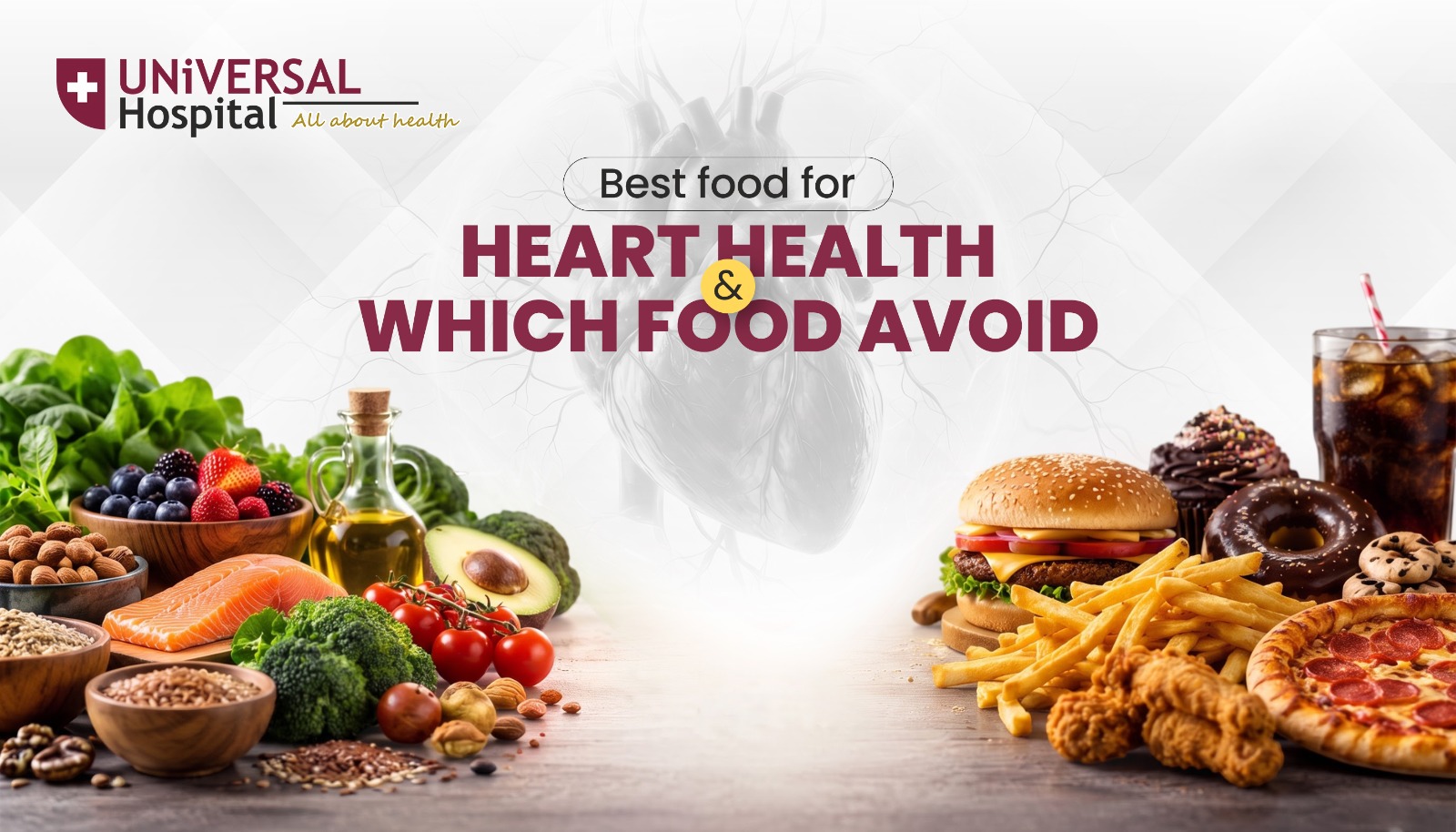
A healthy heart does not depend on one superfood or a strict diet. What matters most is what you eat regularly, how much you eat, and the overall pattern of your meals.
Your heart works continuously to supply blood and oxygen throughout your body. Over time, an unhealthy diet—especially one high in salt, saturated fat, trans fat, added sugar and highly processed foods—can contribute to problems such as high blood pressure, unhealthy cholesterol levels, obesity and cardiovascular disease.
The good news is that heart-healthy eating does not have to be complicated. Simple changes in everyday meals can support cardiovascular health and contribute to better long-term wellbeing.
For people living with heart disease, diabetes, high blood pressure or high cholesterol, dietary changes should ideally be discussed with a healthcare professional because nutritional needs can vary.
Understanding a Heart-Healthy Diet
A heart-healthy diet is a balanced eating pattern that provides the nutrients your body needs while limiting ingredients that may negatively affect cardiovascular health.
Rather than focusing on one particular food, build meals around:
- Vegetables and fruits
- Whole grains
- Pulses and beans
- Nuts and seeds in appropriate portions
- Fish and other healthy protein sources
- Low-fat or unsweetened dairy options, when suitable
- Healthy cooking oils in moderate amounts
- Plenty of water
At the same time, reduce foods that are high in sodium, saturated fat, trans fat, added sugar and refined carbohydrates.
Why Does Diet Matter for the Heart?
Your food choices can influence several factors related to heart health, including:
- Blood pressure
- LDL cholesterol
- Blood sugar
- Body weight
- Inflammation
- Overall cardiovascular risk
A healthy diet is therefore an important part of heart disease prevention and management.
Best Foods for Heart Health
- Vegetables
Vegetables should be a regular part of your meals.
Leafy greens, carrots, tomatoes, broccoli, cauliflower, beans, peas and other vegetables provide fibre, vitamins, minerals and other beneficial plant compounds.
Try to include different colours throughout the week rather than relying on just one vegetable.
Simple idea
Instead of making vegetables a small side dish, make them an important part of lunch and dinner.
- Fruits
Whole fruits can be part of a heart-healthy diet.
Apples, oranges, guava, berries, papaya, pears and other fruits provide fibre and nutrients.
Whole fruit is generally a better choice than fruit juice because juice can contain concentrated natural sugars while providing less fibre.
Choose:
Whole fruit → better everyday choice
Sugary packaged juice → limit
- Whole Grains
Whole grains contain more fibre and nutrients than refined grains.
Good choices can include:
- Oats
- Brown rice
- Whole-wheat roti
- Barley
- Millets
- Whole-grain breads
For Indian families, simple changes such as choosing whole-wheat rotis more often and incorporating oats, barley or millets can make meals more varied and nutritious.
- Pulses, Beans and Legumes
Dal, chickpeas, rajma, black beans and other legumes are useful sources of plant protein and fibre.
They can be especially helpful when replacing some meals that would otherwise contain processed or fatty meats.
A bowl of dal with vegetables and a whole-grain roti can be a simple, practical heart-friendly meal.
- Nuts and Seeds
Almonds, walnuts, pistachios, flaxseeds and chia seeds can provide healthy fats, fibre and other nutrients.
However, portion size matters.
Choose unsalted nuts rather than heavily salted or sugar-coated varieties.
A small handful is generally enough as a snack for many people.
- Fish and Healthy Protein Sources
Fish can be part of a heart-healthy eating pattern.
Fatty fish such as salmon, sardines and mackerel provide omega-3 fatty acids.
For people who eat meat, choosing leaner options and controlling portion sizes can help reduce excess saturated fat.
Plant proteins such as dals, beans and legumes are also valuable choices.
Foods to Avoid or Limit for Better Heart Health
A heart-healthy diet is not about completely eliminating every food you enjoy. It is about understanding which foods should be occasional rather than everyday choices.
- Foods High in Salt
Too much sodium can contribute to higher blood pressure in many people.
Common sources include:
- Pickles
- Papad
- Packaged soups
- Instant noodles
- Chips
- Salted snacks
- Processed meats
- Packaged sauces
- Restaurant and fast foods
A useful habit
Taste your food before adding extra salt.
Remember that sodium may already be present in packaged ingredients and prepared foods.
- Deep-Fried Foods
Regularly eating deep-fried foods can increase the intake of unhealthy fats and calories.
Examples include:
- Samosas
- Kachori
- Pakoras
- French fries
- Fried chicken
- Fried snacks
You do not necessarily have to stop eating these foods forever, but they are better treated as occasional foods rather than daily staples.
- Processed and Red Meat
Processed meats such as sausages, bacon, salami and certain packaged meat products can contain high amounts of sodium and saturated fat.
Frequent consumption of processed meats is best limited.
If you eat red meat, consider smaller portions and choose lean cuts more often.
- Foods High in Saturated and Trans Fats
High intake of saturated fats can raise LDL cholesterol in many people.
Sources can include:
- Butter
- Ghee in large amounts
- Full-fat dairy
- Fatty meats
- Certain bakery products
- Fried foods
Trans fats are particularly undesirable and can be found in some commercially prepared foods.
Check packaged food labels when possible.
- Sugary Drinks and Excess Added Sugar
Soft drinks, sweetened beverages, energy drinks, packaged desserts and other high-sugar foods can add substantial calories without providing much nutritional value.
Frequent excess sugar intake can make weight and blood sugar management more difficult.
Better everyday choices include:
- Water
- Unsweetened buttermilk
- Plain milk, when suitable
- Unsweetened tea or coffee
Heart-Healthy Cooking: Small Changes Matter
You do not need to completely change your traditional cuisine to eat for better heart health.
The cooking method can make a significant difference.
Instead of:
Deep frying → Try baking, grilling, steaming or air-frying.
Excess salt → Use herbs, spices, lemon and other flavourful ingredients.
Heavy cream-based dishes → Try lighter preparations.
Large portions → Serve moderate portions and add more vegetables.
Processed snacks → Choose fruit, unsalted nuts or other nutritious options.
Traditional Indian spices such as turmeric, cumin, coriander, ginger and garlic can add flavour without relying entirely on excess salt.
What Should a Heart-Healthy Plate Look Like?
A simple way to plan meals is to think about balance rather than counting every calorie.
A meal can include:
Half the plate
Vegetables and salad
One quarter
Whole grains such as roti, brown rice, oats or other suitable grains
One quarter
Protein such as dal, beans, fish, lean poultry or another healthy protein source
Add fruit or a suitable dairy food according to your individual nutritional needs.
This approach can make healthy eating for heart disease prevention easier to follow in everyday life.
Diet Tips for High Cholesterol and Blood Pressure
If you have high cholesterol, your doctor may recommend dietary changes alongside medication and other lifestyle measures.
Focus on:
- More fibre-rich foods
- More vegetables and fruits
- Whole grains
- Pulses and legumes
- Healthy unsaturated fats
- Less saturated fat
- Less processed food
If you have high blood pressure, reducing sodium intake can also be important.
Do not stop prescribed blood pressure or cholesterol medicines simply because your diet has improved.
Diet and medication often work together as part of comprehensive heart disease management.
Diet After a Heart Problem
People recovering from a heart attack, living with coronary artery disease, or managing heart failure may have specific dietary requirements.
For example, some patients may need closer attention to sodium or fluid intake.
There is no single “heart patient diet” that is appropriate for everyone.
Your cardiologist or qualified dietitian can recommend a plan based on your:
- Heart condition
- Blood pressure
- Cholesterol
- Kidney function
- Diabetes status
- Medications
- Weight and nutritional needs
This personalized approach is particularly important for older adults and people with multiple health conditions.
Other Lifestyle Habits That Protect Heart Health
Food is only one part of cardiovascular wellness.
For long-term heart health, also focus on:
Stay Physically Active
Regular physical activity can support cardiovascular fitness, weight management and overall health.
Choose activities appropriate for your age and health condition.
If you have known heart disease or symptoms such as chest pain or unusual breathlessness, ask your doctor what level of exercise is safe for you.
Don’t Smoke
Avoiding tobacco is one of the most important steps for protecting your cardiovascular health.
Manage Stress
Long-term stress can affect sleep, eating habits and overall wellbeing.
Simple activities such as walking, breathing exercises, yoga or spending time with family can help some people manage daily stress.
Get Regular Health Checks
Monitoring blood pressure, cholesterol, blood sugar and weight can help identify cardiovascular risk early.
When Should You Speak to a Cardiologist?
Dietary changes are valuable, but they should not replace medical evaluation when symptoms are present.
Seek medical attention if you experience symptoms such as:
- Chest pain or pressure
- Unexplained shortness of breath
- Fainting
- Persistent palpitations
- Unusual fatigue with exertion
- Swelling of the legs
- Sudden weakness or other concerning symptoms
If chest pain is severe, sudden, persistent, or accompanied by breathlessness, sweating, nausea or pain spreading to the arm, jaw or back, seek emergency medical care immediately.
Why Choose Universal Hospital for Heart Health?
Taking care of your heart is about more than responding to a problem after it occurs. Preventive care, early evaluation, accurate diagnosis and appropriate treatment can all play an important role in maintaining cardiovascular health.
Universal Hospital Surat provides comprehensive healthcare services with dedicated Cardiology & Heart Health care for patients and families.
Whether you are looking for preventive cardiac evaluation, management of an existing heart condition, or specialist guidance for symptoms, professional medical assessment can help you understand your cardiovascular health and make informed decisions.
At Universal Hospital, patients can benefit from specialist care, diagnostic facilities and a patient-focused approach designed around individual healthcare needs.
Make Heart Health Part of Your Everyday Life
You do not need to completely change your lifestyle overnight.
Start with practical choices:
More vegetables.
More whole foods.
Less excess salt.
Less processed food.
Better portion control.
More movement.
Regular health checks.
Small, consistent habits can become part of a healthier lifestyle for years to come.
If you are concerned about your heart health or have an existing cardiovascular condition, choose Universal Hospital Surat for Cardiology & Heart Health care and speak with a qualified medical team for personalized guidance, evaluation and treatment.
📍 Universal Superspeciality Hospital beside Jash Infinity, Behind New SMC Building, Civil Cross Road, Khatodara, Surat, India, 395001
📞 +91 90810 82632
🌐 www.universalhospitalsurat.com

Comment 1