
Bone Marrow Transplant: Who Needs It and How Does It Work?
A serious blood disorder or cancer can affect much more than a person’s physical health. It can also bring uncertainty, emotional stress and difficult treatment decisions for patients and their families. In certain conditions, when the bone marrow stops producing healthy blood cells or becomes affected by disease, doctors may recommend a bone marrow transplant.
A bone marrow transplant (BMT) is a specialised medical procedure that replaces damaged or diseased blood-forming stem cells with healthy stem cells. It is used to treat certain blood cancers, bone marrow disorders, inherited conditions and some immune system diseases.
Although the name may sound complicated, understanding the procedure, who may need it and how recovery works can help patients and families feel more prepared.
Not every patient with a blood disorder requires a transplant. The decision depends on the type of disease, its stage, the patient’s overall health and the availability of a suitable donor when needed.
In this blog, we explain what a bone marrow transplant is, why it may be recommended, its different types, the treatment process and what patients can expect during recovery.
1. Understanding Bone Marrow Transplant: What Is It?
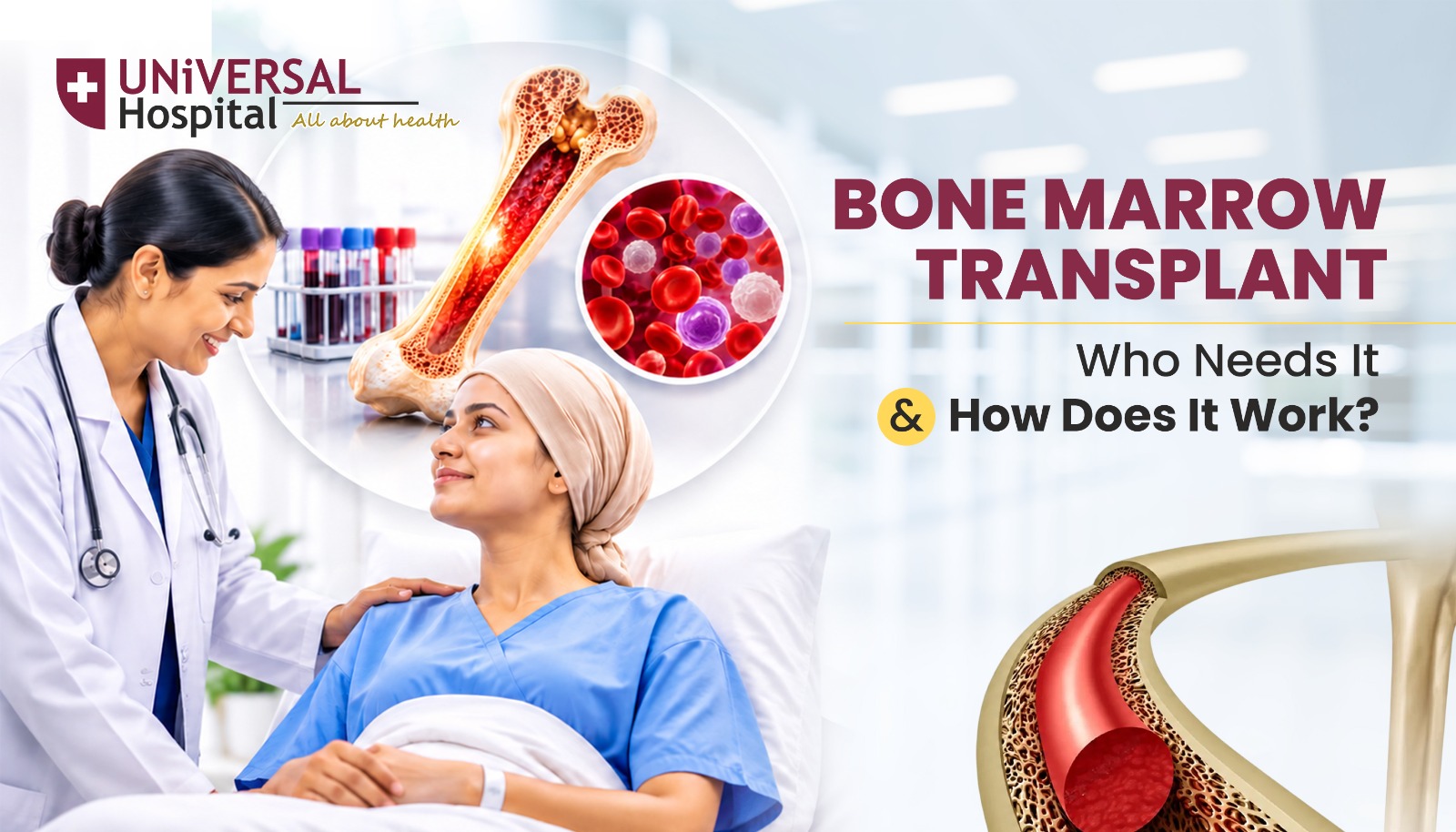
Bone marrow is the soft, spongy tissue found inside certain bones, such as the hip bones and breastbone. It plays an important role in keeping the body healthy because it produces blood-forming stem cells.
These stem cells develop into three main types of blood cells:
- Red blood cells: Carry oxygen from the lungs to different parts of the body.
- White blood cells: Help the body fight infections and protect against harmful microorganisms.
- Platelets: Help blood clot and prevent excessive bleeding.
When bone marrow is damaged by cancer, certain blood disorders, chemotherapy or inherited conditions, it may not produce enough healthy blood cells.
A bone marrow transplant helps restore this blood-forming function by introducing healthy blood-forming stem cells into the patient’s bloodstream.
The transplanted stem cells travel to the bone marrow, where they can begin producing new blood cells. This process is known as engraftment.
Is Bone Marrow Transplant the Same as Stem Cell Transplant?
The terms are often used interchangeably, but there is a small difference.
A bone marrow transplant is one type of stem cell transplant. Blood-forming stem cells can be collected from:
- Bone marrow.
- Peripheral blood (circulating blood).
- Umbilical cord blood.
Today, many transplants use stem cells collected from the bloodstream rather than directly from the bone marrow.
The choice depends on the patient’s disease, treatment plan and donor availability.
2. Causes and Conditions That May Require a Bone Marrow Transplant
A bone marrow transplant is not recommended for every blood-related illness. It is generally considered when the disease affects normal blood cell production or when replacing the patient’s blood-forming system may offer a better chance of controlling or treating the condition.
Some of the major conditions in which a bone marrow transplant may be considered include:
1. Leukaemia
Leukaemia is a type of blood cancer that begins in the blood-forming tissues, particularly the bone marrow. It causes abnormal white blood cells to grow uncontrollably and interfere with normal blood cell production.
Depending on the type of leukaemia, disease response and risk profile, a stem cell transplant may be recommended after initial treatment.
2. Lymphoma
Lymphoma is a cancer that affects the lymphatic system, which is an important part of the immune system.
Some patients with Hodgkin lymphoma or non-Hodgkin lymphoma may require a stem cell transplant, particularly when the disease returns or does not respond adequately to earlier treatment.
3. Multiple Myeloma
Multiple myeloma is a cancer of plasma cells, a type of white blood cell found in the bone marrow.
In eligible patients, an autologous stem cell transplant may be recommended as part of treatment to help achieve better disease control.
4. Aplastic Anaemia
Aplastic anaemia is a rare condition in which the bone marrow fails to produce sufficient blood cells.
This can lead to low red blood cell, white blood cell and platelet counts. Depending on the patient’s age, disease severity and donor availability, a bone marrow transplant may be considered.
5. Thalassaemia
Thalassaemia is an inherited blood disorder that affects the body’s ability to produce normal haemoglobin.
In selected patients, particularly those with severe forms of the condition, a stem cell transplant from a suitable donor may offer the possibility of a long-term cure.
6. Sickle Cell Disease
Sickle cell disease is an inherited condition in which red blood cells become abnormally shaped, affecting their ability to carry oxygen properly.
Some patients with severe sickle cell disease may benefit from an allogeneic stem cell transplant, depending on their health, disease complications and donor availability.
7. Certain Immune System Disorders
Some inherited immune deficiencies affect the body’s ability to fight infections. In selected cases, a stem cell transplant can help restore normal immune system function.
Important: A transplant is not automatically required for any of these conditions. A specialist must evaluate the disease, available treatment options and potential benefits before recommending it.
3. Common Symptoms of Bone Marrow Disorders
Bone marrow disorders can affect the body’s ability to produce healthy blood cells. The symptoms may develop gradually and sometimes resemble those of other medical conditions.
Recognising these warning signs and seeking medical evaluation can help with early diagnosis.
Symptoms You Should Not Ignore
- Persistent Fatigue and Weakness
A low red blood cell count can cause anaemia, reducing the amount of oxygen delivered to the body’s tissues. Patients may feel unusually tired, weak or exhausted even after adequate rest.
- Frequent Infections
When the bone marrow does not produce enough healthy white blood cells, the body’s ability to fight infections may decrease. Patients may experience repeated infections or infections that take longer to recover from.
- Unusual Bleeding or Bruising
Low platelet levels can affect blood clotting. This may lead to frequent nosebleeds, bleeding gums, easy bruising or unusually heavy bleeding from minor injuries.
- Fever Without an Obvious Cause
Repeated or unexplained fever may sometimes indicate an underlying blood disorder, infection or other medical condition.
- Unexplained Weight Loss
Unexpected weight loss, especially when accompanied by weakness, night sweats or persistent fever, should be medically evaluated.
- Bone or Joint Pain
Some bone marrow conditions, including multiple myeloma and leukaemia, may cause bone pain or discomfort.
- Pale Skin and Breathlessness
A reduced red blood cell count can cause pale skin, dizziness, shortness of breath and a rapid heartbeat, particularly during physical activity.
When Should You Consult a Specialist?
If you experience persistent fatigue, frequent infections, unexplained bleeding or repeated fever, consult a doctor.
These symptoms do not necessarily mean you have a bone marrow disorder. However, a proper medical evaluation can help identify the underlying cause and determine whether further investigations are required.
4. Who Needs a Bone Marrow Transplant?
A bone marrow transplant may be recommended when the patient’s existing bone marrow is unable to function properly or when replacing diseased blood-forming cells can improve the chances of successful treatment.
However, the decision requires careful assessment.
Factors Doctors Consider Before Recommending a Transplant
Type and Stage of Disease: The doctor evaluates the specific blood cancer or bone marrow disorder, its severity and how it has responded to previous treatment.
Response to Earlier Treatments: If chemotherapy or other treatments have not controlled the disease adequately, a transplant may become an option.
Age and Overall Health: The patient’s general health, organ function and ability to tolerate intensive treatment are important considerations.
Donor Availability: For an allogeneic transplant, the medical team looks for a suitable donor with a compatible human leukocyte antigen (HLA) profile.
Potential Benefits and Risks: Doctors assess whether the expected benefits of transplantation outweigh its possible complications.
Does Every Blood Cancer Patient Need a Bone Marrow Transplant?
No. Many blood cancers can be treated with chemotherapy, targeted therapy, immunotherapy or other specialised treatments without requiring a transplant.
For some patients, transplantation offers an important treatment option, while for others, it may not be necessary or suitable.
A haematologist or transplant specialist can help determine the most appropriate treatment approach.
5. Types of Bone Marrow Transplant and How Does the Procedure Work?
The type of bone marrow transplant depends mainly on where the healthy stem cells come from.
Different Types of Bone Marrow Transplant
- Autologous Bone Marrow Transplant
In an autologous transplant, the patient’s own healthy stem cells are collected before high-dose chemotherapy or other intensive treatment.
After the treatment, these stored stem cells are returned to the patient’s bloodstream.
This approach is commonly used for selected patients with multiple myeloma and certain lymphomas.
- Allogeneic Bone Marrow Transplant
In an allogeneic transplant, stem cells are collected from a suitable donor.
The donor may be:
- A fully or partially matched sibling.
- A matched unrelated donor.
- A haploidentical donor, usually a partially matched family member.
- A suitable cord blood donor.
This type of transplant is used for certain leukaemias, bone marrow failure conditions, inherited blood disorders and immune system diseases.
- Haploidentical Transplant
A haploidentical transplant is a type of allogeneic transplant in which the donor is a partially matched family member, often a parent, child or sibling.
It can provide another donor option when a fully matched donor is not available.
How Does a Bone Marrow Transplant Work?
Although the exact treatment plan differs from patient to patient, the procedure generally involves the following stages.
Step 1: Pre-Transplant Evaluation
Before transplantation, doctors perform detailed investigations to understand the patient’s overall health.
These may include:
- Blood tests and blood group assessment.
- Bone marrow examination.
- Heart and lung function tests.
- Kidney and liver function tests.
- Infection screening.
- HLA tissue matching for donor transplants.
This assessment helps the medical team determine whether the patient is suitable for transplantation.
Step 2: Stem Cell Collection
The stem cells are collected from the patient or donor, depending on the transplant type.
For peripheral blood stem cell collection, the donor may receive medicines that encourage stem cells to move from the bone marrow into the bloodstream. They are then collected through a process called apheresis.
Bone marrow stem cells can also be collected directly from the donor’s pelvic bone under anaesthesia.
Step 3: Conditioning Treatment
Before the transplant, the patient receives chemotherapy and, in selected cases, radiation therapy.
This stage is known as conditioning. It helps destroy diseased cells, suppress the immune system and prepare the body to receive the new stem cells.
The intensity of conditioning depends on the patient’s condition and transplant plan.
Step 4: Stem Cell Infusion
The collected stem cells are infused into the patient’s bloodstream through a central venous catheter.
The process is similar to receiving a blood transfusion. It generally does not require major surgery.
Step 5: Engraftment and Recovery
After infusion, the stem cells travel to the bone marrow and begin producing new blood cells.
This process is called engraftment. During this period, the patient remains under close medical observation because blood counts are initially low and infection risks are higher.
Step 6: Post-Transplant Monitoring
After discharge, regular follow-ups and blood tests help doctors monitor recovery, blood cell production and possible complications.
Recovery continues over several weeks and months, and some patients may require longer-term monitoring.
6. Treatment Options and Possible Risks of Bone Marrow Transplant
A bone marrow transplant is an important treatment option for selected patients, but it is not the only approach to managing blood cancers and bone marrow disorders.
The treatment plan depends on the underlying condition, disease stage, previous treatment response and the patient’s overall health.
Other Treatment Options
- Chemotherapy
Chemotherapy uses specialised medicines to destroy cancer cells or control their growth. It is commonly used for leukaemia, lymphoma and multiple myeloma. In some cases, it is also given before a stem cell transplant.
- Targeted Therapy
Targeted therapy uses medicines designed to attack specific proteins or genetic changes responsible for cancer cell growth. It may be recommended for certain types of blood cancer.
- Immunotherapy
Immunotherapy helps the body’s immune system recognise and fight cancer cells. Depending on the disease, it may be used alone or alongside other treatments.
- Blood Transfusions and Supportive Care
Patients with low blood cell counts may require red blood cell or platelet transfusions. Antibiotics and other medicines may also be given to prevent or manage infections.
People also know about angioplasty related information: What Is Angioplasty? When Does a Patient Need This Procedure?
What Are the Possible Risks of Bone Marrow Transplant?
Although bone marrow transplantation can be life-changing for eligible patients, it is an intensive procedure and carries certain risks.
Some possible complications include:
- Infections: Low white blood cell counts can increase the risk of bacterial, viral and fungal infections.
- Bleeding: Reduced platelet levels may increase the chances of bleeding.
- Graft-versus-Host Disease (GVHD): In an allogeneic transplant, donor immune cells may attack the recipient’s healthy tissues.
- Organ Complications: Conditioning treatment may affect organs such as the liver, lungs, kidneys or heart.
- Delayed Engraftment: Sometimes, transplanted stem cells take longer than expected to begin producing healthy blood cells.
- Disease Relapse: In some patients, the original disease may return even after transplantation.
The transplant team monitors patients closely to identify and manage complications as early as possible.
Recovery After Bone Marrow Transplant
Recovery after a bone marrow transplant takes time and varies from patient to patient.
During the initial recovery period, patients may need to stay in the hospital until their blood counts improve and their condition becomes stable.
Important recovery precautions include:
- Follow the prescribed medication schedule.
- Maintain proper personal hygiene and handwashing practices.
- Follow food safety and dietary instructions.
- Avoid exposure to people with active infections.
- Attend all scheduled follow-up appointments.
- Maintain adequate nutrition and hydration.
- Follow medical advice regarding physical activity.
- Discuss vaccination schedules with the transplant specialist.
Some patients may require several months or longer to rebuild their immune system fully. Regular medical monitoring remains important even after returning home.
Why Choose Universal Hospital for Bone Marrow Transplant in Surat?
A bone marrow transplant requires specialised medical expertise, careful planning, advanced facilities and continuous monitoring. For patients and families, choosing the right hospital can make an important difference throughout this demanding treatment journey.
Universal Hospital, Surat, offers dedicated Bone Marrow Transplant and Medical & Hemato-Oncology services for patients with blood cancers and complex blood disorders.
The hospital focuses on providing coordinated treatment, personalised medical guidance and compassionate support at every stage.
Dedicated Bone Marrow Transplant Services
Universal Hospital offers different types of bone marrow and stem cell transplantation, including:
- Autologous Bone Marrow Transplant.
- Allogeneic Bone Marrow Transplant.
- Haploidentical Transplant.
- Umbilical Cord Blood Transplant.
These treatment options help doctors evaluate different approaches according to the patient’s disease, medical condition and donor availability.
Comprehensive Blood Cancer and Bone Marrow Disorder Care
The hospital provides specialised medical and hemato-oncology services for conditions such as:
- Leukaemia and lymphoma.
- Multiple myeloma.
- Aplastic anaemia.
- Thalassaemia.
- Sickle cell disease.
- Other bone marrow and blood-related disorders.
This allows patients to access evaluation and treatment planning for a range of haematological conditions.
Universal Hospital Surat
Advanced Infrastructure and Supportive Care
Bone marrow transplantation requires more than the transplant procedure itself. Patients need appropriate infection-control measures, close observation and supportive medical care.
Universal Hospital’s transplant infrastructure includes specialised transplant facilities, dedicated transplant ICU support and advanced patient-care infrastructure.
Universal Hospital Surat+1
Compassionate Care for Patients and Families
A transplant journey can be physically and emotionally challenging. Patients and their families often need clear information, reassurance and continued medical guidance.
Universal Hospital focuses on coordinated care, personalised treatment planning and patient support throughout diagnosis, transplantation and recovery.
If you or someone in your family has been diagnosed with a blood cancer, bone marrow disorder or condition that may require transplantation, timely specialist consultation is important.
Choose Universal Hospital, Surat, for specialised Bone Marrow Transplant services, comprehensive hemato-oncology care, advanced transplant infrastructure and compassionate medical support.
Consult the specialist team at Universal Hospital today to understand your treatment options and take the next step towards better health.
Frequently Asked Questions (FAQs)
1. Is a bone marrow transplant painful?
The stem cell infusion itself is generally not painful and is similar to receiving a blood transfusion. However, patients may experience discomfort or side effects from conditioning chemotherapy and other stages of treatment.
2. How long does a bone marrow transplant take?
The stem cell infusion usually takes a few hours, depending on the type and quantity of cells being infused. However, the complete transplant process, including preparation, conditioning and initial recovery, can take several weeks.
3. Can a family member donate bone marrow?
Yes. A sibling, parent, child or another eligible relative may be considered as a donor. Doctors perform HLA tissue matching and medical evaluation to determine donor suitability.
4. What is the success rate of bone marrow transplantation?
The success rate varies depending on the underlying disease, patient’s age, overall health, donor match and transplant type. The transplant specialist can explain the expected outcomes based on the individual patient’s condition.
5. Can a person live a normal life after a bone marrow transplant?
Many patients gradually return to their regular activities after successful transplantation. However, recovery takes time, and some patients may need long-term medication, rehabilitation and regular medical monitoring.
6. Is bone marrow transplant a permanent cure?
For certain conditions, a bone marrow transplant can offer a potential cure. However, outcomes differ depending on the disease and individual response to treatment. Some patients may experience complications or disease relapse.
7. Is bone marrow transplant possible without a fully matched donor?
Yes. Depending on the patient’s condition, a haploidentical transplant using a partially matched family donor or a cord blood transplant may be considered
