
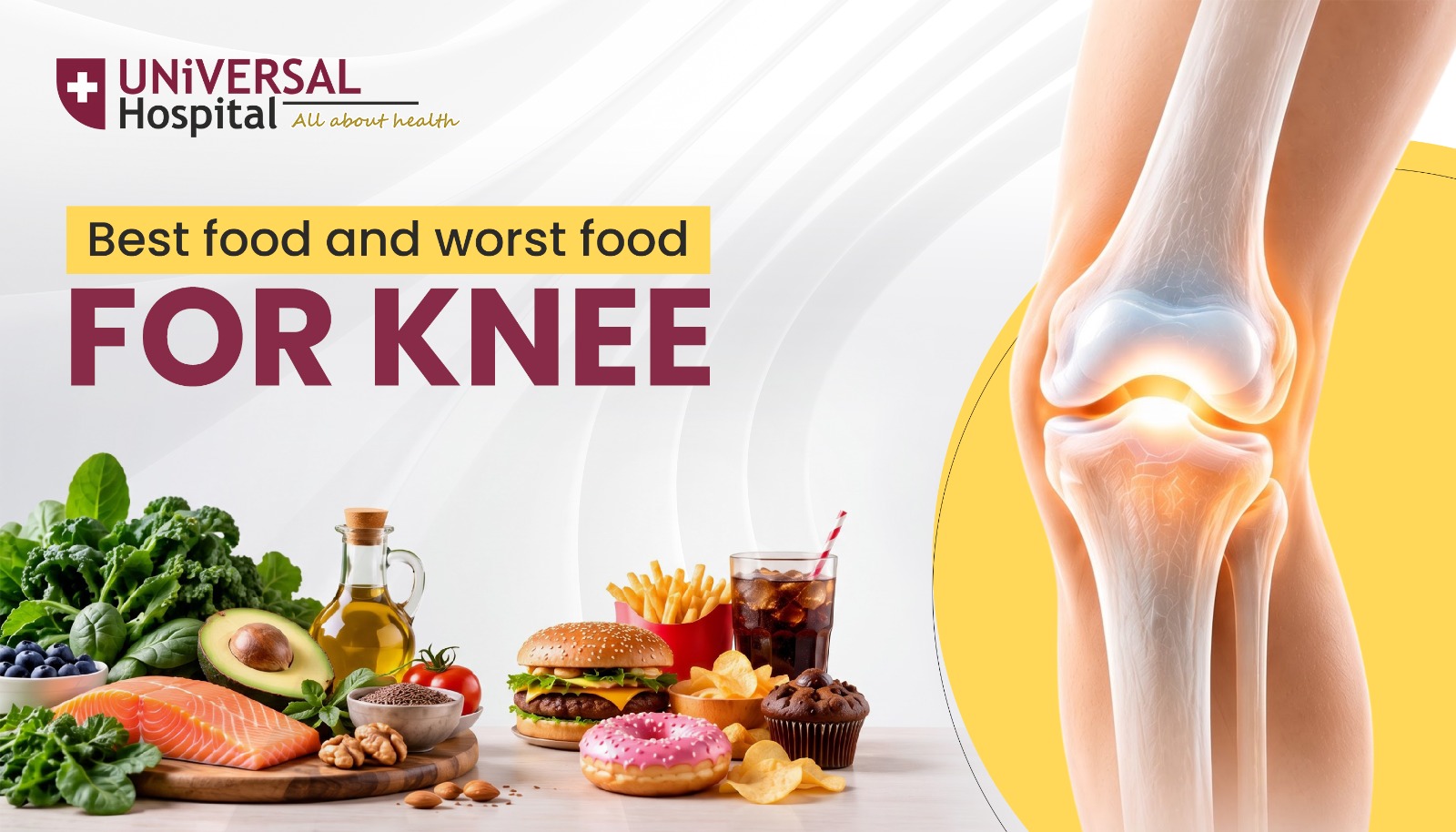
Knee pain can make everyday activities—walking, climbing stairs, getting up from a chair or even standing for long periods—feel difficult. While food cannot repair damaged cartilage or replace the need for medical treatment, the right diet can support healthy joints, maintain a healthy weight and help manage factors linked with inflammation.
For people with osteoarthritis, arthritis, overweight-related knee stress or long-term joint problems, what you eat can be an important part of overall knee pain management.
There is no single “miracle food” for knee pain. Instead, the goal is to build a balanced eating pattern rich in vegetables, fruits, whole grains, adequate protein and healthy fats while limiting highly processed foods, excess sugar, unhealthy fats and excessive calories.
Understanding the Connection Between Food and Knee Health
The knee is a complex joint where bones, cartilage, ligaments, tendons and surrounding muscles work together to support movement.
With age, injury or conditions such as osteoarthritis, the cartilage that cushions the joint may gradually wear down. This can contribute to pain, stiffness and reduced mobility.
Can Food Really Help Knee Pain?
Food cannot reverse advanced osteoarthritis or rebuild severely damaged cartilage.
However, nutrition can support knee health in several important ways.
A balanced diet may help you:
- Maintain a healthy body weight
- Support muscles around the knee
- Get nutrients needed for bones and connective tissues
- Support overall metabolic health
- Reduce excessive calorie intake
- Follow a lifestyle that supports long-term mobility
For people carrying excess weight, even modest weight loss may reduce the mechanical load placed on weight-bearing joints such as the knees.
That is why diet and exercise for knee pain are often considered together.
Best Foods for Knee Health
There is no single best food for joints. A combination of nutrient-rich foods is more useful.
- Fatty Fish
Fatty fish such as salmon, sardines and mackerel contain omega-3 fatty acids.
Omega-3 fats are known for their role in supporting cardiovascular health and have also been studied for their relationship with inflammation.
If you eat fish, including it as part of a balanced diet can be a useful choice.
Other options
For people who do not eat fish, sources of healthy fats can include walnuts, flaxseeds and chia seeds.
- Colorful Vegetables
Vegetables should form a major part of a healthy diet.
Leafy greens, broccoli, carrots, tomatoes, capsicum, beans and other vegetables provide vitamins, minerals, fibre and plant compounds.
Try not to focus on only one vegetable.
Better approach:
Different colours = greater variety of nutrients.
Add vegetables to lunch, dinner, soups, salads, curries or other everyday meals.
- Fruits
Fruits provide fibre, vitamins, minerals and naturally occurring plant compounds.
Good options include:
- Berries
- Oranges
- Guava
- Apples
- Papaya
- Pomegranate
- Kiwi
Whole fruits are generally preferable to sugary fruit drinks or packaged juices.
If you have diabetes or need to control blood sugar, portion sizes still matter.
- Nuts and Seeds
Nuts and seeds can provide healthy fats, protein, fibre and several micronutrients.
Good choices include:
- Walnuts
- Almonds
- Chia seeds
- Flaxseeds
- Pumpkin seeds
Choose unsalted varieties whenever possible.
Because nuts are calorie-dense, a moderate portion is usually better than eating large quantities.
- Whole Grains
Whole grains provide fibre and other nutrients.
Consider:
- Oats
- Brown rice
- Whole-wheat roti
- Barley
- Quinoa
- Millets
Replacing some refined grains with whole grains can support an overall healthier dietary pattern.
For someone trying to lose weight to reduce stress on painful knees, whole grains can also contribute to meals that are more filling.
- Protein-Rich Foods
Strong muscles help support movement and stability around the knee.
Adequate protein is therefore important, particularly for older adults and people recovering from illness or reduced activity.
Healthy protein options can include:
- Dal
- Chickpeas
- Rajma
- Beans
- Eggs
- Fish
- Lean poultry
- Low-fat dairy
- Tofu
The right amount of protein varies depending on age, health, activity level and medical conditions.
- Calcium-Rich Foods
Calcium is important for maintaining strong bones.
Suitable sources may include:
- Milk
- Curd or yogurt
- Paneer in appropriate portions
- Fortified dairy alternatives
- Some leafy green vegetables
Strong bones are important for overall musculoskeletal health, particularly as people age.
- Vitamin D Sources
Vitamin D plays an important role in bone health.
Food sources can include fortified foods, eggs and certain fish, while sunlight exposure can also contribute to vitamin D production.
However, vitamin D deficiency should not be treated with supplements without appropriate medical advice.
If your doctor suspects deficiency, a blood test may be recommended before deciding whether supplementation is necessary.
People also want to know about best food for human health: Best Food for Heart Health & Which Foods to Avoid
Worst Foods for Knee Health
Calling something the “worst food” does not mean you can never eat it.
The bigger concern is frequent consumption of foods that are high in calories, added sugars, sodium, unhealthy fats or highly processed ingredients.
- Highly Processed Foods
Packaged snacks, instant meals, processed meat and many ready-to-eat foods can be high in salt, unhealthy fats and calories.
Examples include:
- Packaged chips
- Instant noodles
- Processed meat
- Packaged fried snacks
- Highly processed frozen foods
- Certain fast-food meals
These foods are better kept occasional rather than becoming everyday staples.
- Sugary Foods and Drinks
Excess added sugar can make weight management more difficult.
Regular consumption of:
- Soft drinks
- Sweetened juices
- Cakes
- Pastries
- Cookies
- Candies
- Sugary desserts
can increase overall calorie intake.
For someone trying to lose weight to reduce knee stress, reducing sugary drinks can be a particularly practical first step.
- Deep-Fried Foods
Frequent consumption of deep-fried foods can add substantial calories and unhealthy fats to the diet.
Common examples include:
- Samosas
- Kachori
- Pakoras
- French fries
- Fried chicken
- Fried snacks
You do not necessarily have to eliminate these foods completely. The key is to reduce frequency and portion size.
- Excessive Refined Carbohydrates
Foods made primarily from refined flour can be easy to overconsume and may provide less fibre than whole-grain alternatives.
Examples include:
- White bread
- Refined-flour biscuits
- Many bakery products
- Some packaged snacks
Choose whole grains more often when practical.
- Excess Alcohol
Alcohol provides calories and can contribute to unhealthy weight gain when consumed excessively.
If you drink alcohol, moderation is important. People with certain medical conditions or medications may need to avoid alcohol altogether.
Speak with your doctor if you are unsure.
Does Weight Affect Knee Pain?
This is one of the most important connections between diet and knee health.
The knees carry much of the body’s weight during everyday movement. Excess body weight can increase the mechanical stress placed on weight-bearing joints.
For people with overweight or obesity and knee osteoarthritis, weight management may help reduce symptoms and improve physical function.
This does not mean that every person with knee pain needs to lose weight.
The goal should be individualized and focused on overall health rather than appearance.
A practical approach
Instead of following an extreme diet:
- Reduce sugary beverages
- Control portion sizes
- Eat more vegetables
- Include adequate protein
- Choose whole grains
- Limit fried and highly processed foods
- Stay physically active as advised
Small changes that you can maintain are more useful than a restrictive diet you cannot follow for long.
A Simple Knee-Friendly Indian Meal Plan
Healthy eating does not require expensive or unfamiliar ingredients.
Breakfast
Choose options such as:
- Vegetable oats
- Vegetable poha
- Moong dal chilla
- Eggs with whole-grain toast
- Unsweetened curd with fruit and seeds
Lunch
A balanced lunch could include:
- Dal or another protein source
- Vegetable sabzi
- Salad
- Whole-wheat roti or a moderate portion of brown rice
Evening Snack
Consider:
- Fruit
- Unsalted nuts
- Roasted chana
- Unsweetened buttermilk
Dinner
Keep dinner balanced and moderate:
- Vegetables
- Dal, tofu, fish or another protein
- Whole-wheat roti or another whole grain
The exact diet should be adjusted for diabetes, kidney disease, heart disease and other medical conditions.
Diet Alone Is Not Enough for Knee Health
Food is only one part of maintaining healthy knees.
Exercise
Appropriate physical activity can strengthen the muscles that support the knee and help maintain mobility.
Depending on your condition, your doctor or physiotherapist may recommend:
- Walking
- Swimming
- Cycling
- Strengthening exercises
- Stretching
- Low-impact aerobic activity
If you have significant knee pain, do not suddenly begin intense exercise. Get professional guidance about what is safe.
Maintain a Healthy Weight
If excess weight contributes to knee stress, gradual weight management can be an important part of treatment.
Avoid crash diets.
A sustainable eating plan combined with appropriate activity is generally more practical for long-term results.
When Should You See an Orthopedic Specialist?
Dietary changes are helpful for overall health, but persistent knee pain should not simply be managed through food.
Consult an orthopedic specialist if you experience:
- Persistent knee pain
- Increasing stiffness
- Difficulty climbing stairs
- Pain while walking
- Recurrent swelling
- Knee instability
- Reduced range of movement
- Pain that interferes with sleep or daily activities
- Difficulty performing routine activities
Depending on the cause, treatment may include physiotherapy, medicines, lifestyle changes, injections or orthopedic surgery.
For advanced arthritis, a specialist may discuss options such as knee replacement surgery when appropriate.
Why Choose Universal Hospital for Orthopedics & Joint Care?
Knee pain can affect far more than your joints. It can change how you work, exercise, sleep and spend time with your family.
At Universal Hospital Surat, orthopedic care focuses on evaluating the underlying cause of joint problems and helping patients understand their treatment options.
Whether knee pain is related to arthritis, injury, age-related joint changes or another orthopedic condition, an individualized evaluation is important before deciding on treatment.
The right approach may involve conservative care, physiotherapy, medication, lifestyle modification or surgery depending on the patient’s condition.
Don’t Ignore Persistent Knee Pain
Food can support your overall health, but it should not replace appropriate medical care.
If knee pain is becoming a regular part of your life, getting the right diagnosis is the first step toward better mobility.
Choose Universal Hospital for Orthopedics & Joint Care and consult a qualified orthopedic team for personalized evaluation, treatment guidance and long-term joint care.
Eat better. Move safely. Protect your mobility. And don’t let persistent knee pain become your new normal.
📍 Universal Superspeciality Hospital beside Jash Infinity, Behind New SMC Building, Civil Cross Road, Khatodara, Surat, India, 395001
📞 +91 90810 82632
🌐 www.universalhospitalsurat.com
