
Introduction
Imagine that someone suddenly struggles to speak, feels weakness in one arm, or experiences blurred vision. A few minutes later, everything seems normal again. They may feel relieved and assume it was temporary weakness, tiredness, or a spell of dizziness.
However, these symptoms could be signs of a transient ischemic attack (TIA), commonly known as a mini-stroke.
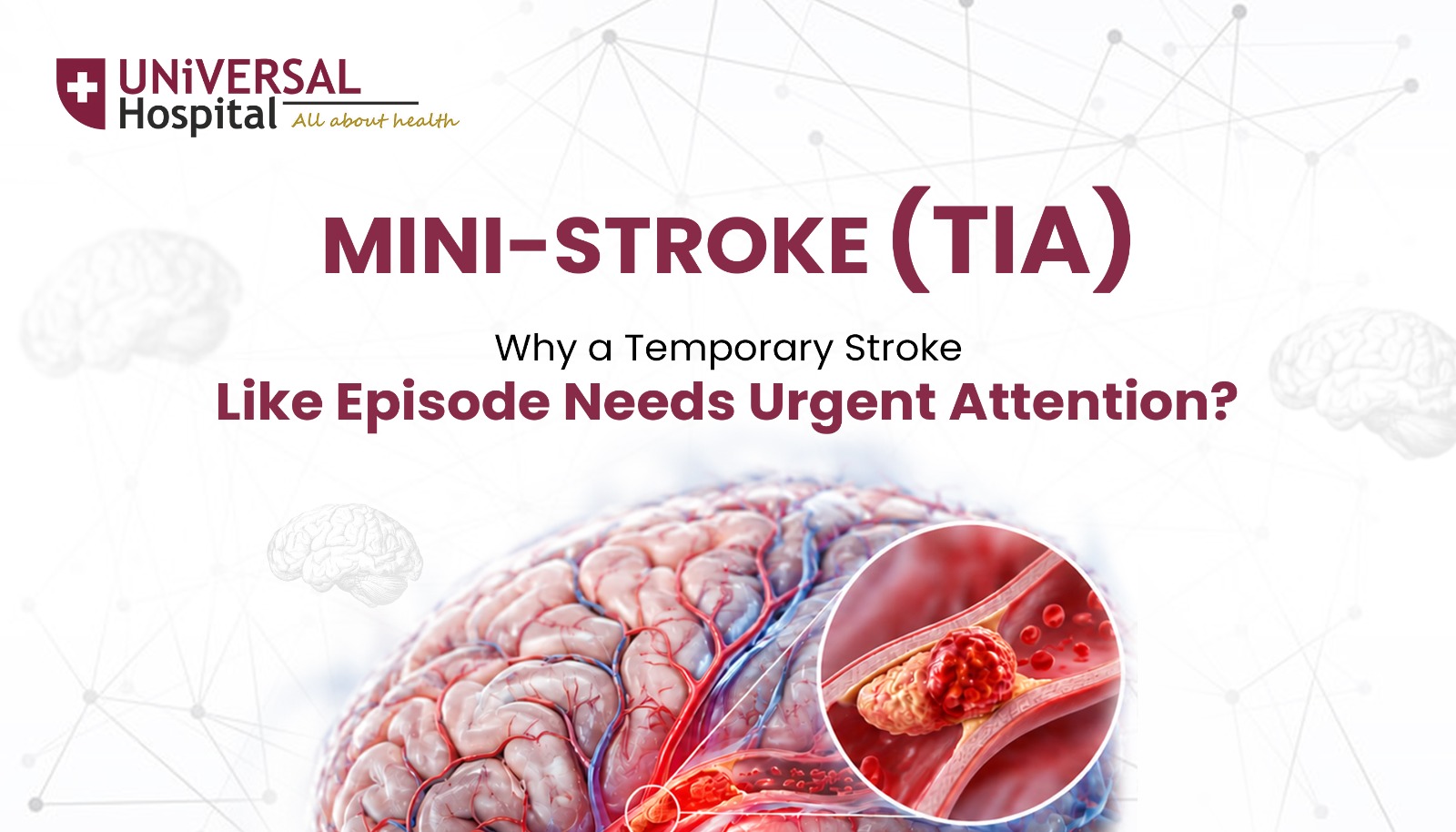
A mini-stroke occurs when blood flow to part of the brain is temporarily blocked. The symptoms may disappear within minutes or hours, but this does not mean the episode is harmless. A TIA can be an important warning that a full stroke may occur, sometimes in the near future.
Recognising the symptoms and seeking immediate medical attention can help doctors identify the cause, assess the risk of a future stroke, and begin appropriate preventive treatment.
Understanding a mini-stroke, its warning signs, and the importance of early medical evaluation can help you protect your health and the health of someone you love.
What Is a Mini-Stroke (TIA)?
A transient ischemic attack is a temporary episode of neurological dysfunction caused by reduced blood flow to part of the brain, spinal cord, or retina, without evidence of an acute infarction under the modern tissue-based definition.
In simple terms, a part of the nervous system temporarily does not receive enough blood and oxygen to function normally.
Blood carries oxygen and nutrients that brain cells need to work properly. When blood flow is interrupted, symptoms such as weakness, difficulty speaking, vision changes, or loss of balance may develop suddenly.
In a TIA, the symptoms resolve, but the underlying problem still needs urgent investigation.
Is a Mini-Stroke Different From a Full Stroke?
Yes, but the difference is not simply how long the symptoms last.
A TIA causes temporary stroke-like symptoms without acute brain tissue infarction. An ischemic stroke occurs when reduced blood flow causes brain tissue injury or death. Symptoms of a stroke may persist, although some can improve or disappear.
It is not possible to reliably distinguish a TIA from a stroke based only on how a person feels or how quickly the symptoms disappear. Brain imaging and medical assessment may be needed.
If someone develops sudden stroke-like symptoms, seek emergency medical care immediately, even if the symptoms disappear within a few minutes. Do not wait to see whether they return.
What Are the Warning Signs of a Mini-Stroke?
The symptoms of a TIA often appear suddenly. They depend on which part of the brain or visual system is affected.
Recognising these warning signs is essential because early medical attention can help identify people at increased risk of a subsequent stroke.
1. Sudden Weakness or Numbness
A person may suddenly experience weakness, heaviness, or numbness in the face, arm, or leg, especially on one side of the body.
For example, someone may find that one arm feels weak while lifting a cup or that one side of their face appears to droop when smiling.
Even if the weakness lasts only a few minutes, it should never be ignored.
2. Difficulty Speaking or Understanding Speech
A mini-stroke may affect the parts of the brain responsible for language.
Possible symptoms include:
- Slurred or unclear speech.
- Difficulty finding the right words.
- Trouble forming complete sentences.
- Difficulty understanding what another person is saying.
- Sudden confusion that affects communication.
If a person suddenly cannot speak clearly or understand simple instructions, treat the situation as a medical emergency.
3. Sudden Vision Problems
Some people experience temporary loss of vision in one eye, double vision, or difficulty seeing clearly.
Temporary blindness or a dark curtain-like effect over one eye can sometimes indicate reduced blood flow to the retina. This requires urgent medical evaluation, even if normal vision returns.
4. Dizziness or Loss of Balance
A TIA can sometimes affect areas of the brain involved in balance and coordination.
A person may suddenly experience difficulty walking, loss of coordination, or severe dizziness accompanied by other neurological symptoms.
Dizziness alone has many possible causes and is not necessarily a TIA. However, sudden difficulty walking, double vision, or loss of coordination should be assessed urgently, particularly when these symptoms occur together.
5. Sudden Difficulty Understanding or Thinking Clearly
A person may appear confused, struggle to follow a conversation, or have difficulty understanding what is happening around them.
Although confusion has many possible causes, sudden changes in thinking or communication can sometimes indicate a serious neurological problem.
Remember the FAST Stroke Warning Signs
The FAST method is a simple way to recognise common signs of a stroke or TIA.
- F – Face: Does one side of the face droop when the person smiles?
- A – Arms: Is one arm weak or unable to stay raised?
- S – Speech: Is speech slurred, unusual, or difficult to understand?
- T – Time: Call emergency services immediately if any of these signs appear.
Do not wait for all three symptoms to develop. Even one sudden warning sign can be serious.
Some strokes also cause symptoms that are not fully captured by FAST, including sudden vision changes, severe balance problems, or coordination difficulties. These symptoms also need urgent attention.
What Causes a Mini-Stroke?
A TIA usually occurs when blood flow to part of the brain is temporarily reduced or blocked. This may happen because of a small blood clot or another problem affecting circulation.
Understanding the possible cause helps doctors decide which treatments can reduce the risk of a future stroke.
Blood Clots
A clot may temporarily block a blood vessel supplying the brain. The clot may dissolve or move, allowing blood flow to return and symptoms to resolve.
However, the event may indicate an underlying problem that requires treatment.
Narrowed Arteries
Fatty deposits can build up inside arteries through a process called atherosclerosis. If these deposits affect the arteries supplying the brain, they may restrict blood flow or contribute to clot formation.
Heart-Related Problems
Certain heart conditions, including atrial fibrillation, can increase the risk of blood clots forming in the heart. A clot may travel through the bloodstream and block an artery supplying the brain.
Doctors may therefore recommend heart rhythm monitoring or other cardiac investigations when a TIA is suspected.
Small Blood Vessel Disease
High blood pressure and diabetes can damage small blood vessels over time. These changes may contribute to problems with blood supply to the brain.
Identifying the cause is important because treatment needs to address the specific risk factors or medical conditions involved.
Who Is at Risk of a Mini-Stroke?
A TIA can happen to anyone, but some factors increase the likelihood of experiencing one.
Important risk factors include:
- High blood pressure: One of the major risk factors for stroke.
- Diabetes: Can damage blood vessels and increase cardiovascular risk.
- High cholesterol: May contribute to plaque formation in arteries.
- Smoking and tobacco use: Damage blood vessels and increase the risk of clot-related problems.
- Heart conditions: Particularly atrial fibrillation and certain other conditions associated with clot formation.
- Previous TIA or stroke: Indicates an increased risk of another event.
- Increasing age: Stroke risk generally rises with age, although younger adults can also experience a TIA or stroke.
- Physical inactivity and excess weight: May contribute to other cardiovascular risk factors.
Family history and certain underlying medical conditions can also influence risk.
Having one or more risk factors does not mean that a person will definitely experience a mini-stroke. However, managing these factors can help reduce the risk of future cardiovascular events.
Why Should You Never Ignore a Mini-Stroke?
One of the biggest dangers of a TIA is that the symptoms may disappear before a person reaches a hospital. This can create a false sense of security.
A person may think, “I can speak normally now, so everything must be fine.” Unfortunately, the disappearance of symptoms does not mean the underlying cause has been resolved.
A TIA Can Be a Warning of a Future Stroke
A transient ischemic attack can indicate that the blood vessels supplying the brain are at risk. Some people experience a full stroke shortly after a TIA, with the risk particularly concerning in the first hours and days.
The exact risk varies according to the cause of the episode, the person’s medical history, and other clinical findings.
Prompt assessment allows doctors to identify treatable problems, such as a blood clotting risk, an abnormal heart rhythm, or significant narrowing of an artery.
Early Treatment Can Help Prevent Complications
When a person receives timely medical attention, doctors can investigate the episode and recommend appropriate measures to lower the risk of a future stroke.
Depending on the cause, these may include medication, treatment of underlying conditions, or a procedure for selected patients with significant narrowing of a carotid artery.
The goal is not only to understand what happened but also to prevent another, potentially more serious event.
Never ignore a suspected mini-stroke, even if the person appears completely normal afterward.
What Should You Do If Someone Experiences Mini-Stroke Symptoms?
Knowing what to do during a suspected TIA can make an important difference.
Follow these steps if you or someone nearby develops sudden stroke-like symptoms.
- Call emergency services immediately. Do not wait for the symptoms to disappear or arrange a routine appointment.
- Note the time symptoms started. If the exact time is unknown, record when the person was last seen behaving normally.
- Keep the person safe. Help them sit or lie down in a safe position while waiting for medical assistance.
- Do not give aspirin or other medication unless instructed by a healthcare professional. A stroke may involve bleeding rather than a blockage, and the appropriate treatment depends on the diagnosis.
- Do not give food or drinks if swallowing may be affected. Stroke-like symptoms can interfere with safe swallowing.
- Do not let the person drive themselves to the hospital. Emergency medical services can help with safe transport and urgent assessment.
Even if the symptoms resolve while help is on the way, continue with the emergency evaluation.
How Is a Mini-Stroke Diagnosed?
There is no single test that confirms every TIA. Diagnosis involves understanding the symptoms, examining the patient, and investigating possible causes.
Medical History and Neurological Examination
The doctor will ask about the symptoms, when they started, how long they lasted, and whether they have happened before.
The examination may assess speech, strength, sensation, vision, coordination, and balance. The doctor will also consider medical conditions such as high blood pressure, diabetes, and heart disease.
Brain Imaging
A CT scan or MRI may be recommended to investigate whether a stroke has occurred and to look for other possible causes of the symptoms.
MRI, particularly diffusion-weighted imaging, can detect small areas of acute brain injury that may not be visible on a CT scan.
The choice and timing of imaging depend on the patient’s condition and the clinical assessment.
Blood Vessel Imaging
Doctors may recommend imaging of the blood vessels in the neck and brain to identify narrowing or blockage.
Tests may include CT angiography, MR angiography, or carotid ultrasound, depending on the clinical situation.
Blood Tests and Heart Assessment
Blood tests may help evaluate blood sugar, cholesterol, and other relevant health factors.
An ECG can check for certain abnormal heart rhythms. Additional heart rhythm monitoring or an echocardiogram may be recommended when a heart-related source of clots is suspected.
These investigations help doctors identify the likely cause and plan appropriate treatment.
What Is the Treatment for a Mini-Stroke?
TIA treatment focuses on preventing a future stroke. The right approach depends on what caused the episode, the patient’s overall health, and the results of the investigations.
Medications to Reduce Stroke Risk
Depending on the diagnosis, a doctor may prescribe antiplatelet medicines, anticoagulants, cholesterol-lowering medicines, or medication to control blood pressure.
Antiplatelet medicines reduce the tendency of platelets to form clots. Anticoagulants may be recommended for certain conditions, including atrial fibrillation.
These medicines are not interchangeable, and not everyone needs the same treatment. Some patients may benefit from a short course of dual antiplatelet therapy under medical supervision, while others require a different approach.
Never start, stop, or change these medicines without medical advice.
Treatment for Narrowed Arteries
If investigations reveal significant narrowing of a carotid artery, selected patients may benefit from a procedure to reduce the risk of a future stroke.
The decision depends on the severity and location of the narrowing, the timing of the symptoms, and the patient’s overall health.
Managing Existing Health Conditions
Long-term prevention may involve controlling high blood pressure, managing diabetes, lowering cholesterol, stopping tobacco use, and following an appropriate exercise and nutrition plan.
Regular medical follow-up helps ensure that treatment remains suitable and that risk factors are being managed effectively.
People also wanot to knoe about stroke problems: Stroke Symptoms and Emergency Stroke Treatment Guide
How Can You Reduce the Risk of a Future Stroke?
Although not every stroke can be prevented, managing known risk factors can significantly improve vascular health.
Consider the following measures in consultation with your doctor:
- Check your blood pressure regularly and follow your treatment plan.
- Monitor blood sugar if you have diabetes or have been advised to do so.
- Follow recommendations for cholesterol management.
- Stop smoking and avoid tobacco products.
- Eat a balanced diet with vegetables, fruits, whole grains, and other nutritious foods.
- Maintain physical activity appropriate for your health and abilities.
- Take prescribed medicines consistently.
- Attend follow-up appointments and report any new neurological symptoms immediately.
If you have already experienced a TIA, these steps should be part of a personalised prevention plan developed with your healthcare team.
Why Choose Universal Hospital, Surat, for Stroke-Related Concerns?
When a person experiences sudden weakness, speech difficulties, vision changes, or other possible stroke symptoms, timely medical assessment is essential. Patients and families need clear guidance, appropriate diagnostic investigations, and a coordinated approach to care.
Universal Hospital, Surat, provides a healthcare setting where patients can seek medical evaluation and discuss their neurological concerns with the treating team. For details about emergency services, neurological assessment, available diagnostic facilities, and specialist consultations, contact the hospital directly.
When seeking care for suspected TIA or stroke, important considerations include:
- Timely assessment: Sudden stroke-like symptoms require immediate emergency evaluation.
- Appropriate investigations: Brain imaging, blood vessel assessment, blood tests, and heart investigations may be required depending on the suspected cause.
- Individualised treatment planning: Treatment should reflect the patient’s condition, medical history, and investigation findings.
- Coordinated medical care: Patients may need input from emergency physicians, neurologists, radiologists, cardiologists, or other specialists.
- Clear communication and compassionate support: Patients and families should understand the diagnosis, treatment recommendations, warning signs, and follow-up plan.
If you or a family member has experienced a possible mini-stroke, do not wait for another episode before seeking medical attention.
For current information about Universal Hospital’s services and arrangements for emergency care, visit its official website at https://universalhospitalsurat.com/ or contact the hospital directly.
Conclusion
A mini-stroke, or transient ischemic attack, is more than a temporary episode of weakness, dizziness, or difficulty speaking. It can be a warning sign of an underlying problem with blood flow to the brain and an increased risk of a future stroke.
Recognising sudden neurological symptoms, seeking emergency medical attention, and identifying the cause are essential steps towards preventing further complications.
Even when symptoms disappear completely, a suspected TIA should never be ignored. Timely assessment and appropriate preventive treatment can help reduce the risk of another event and support long-term health.
Protect Your Brain Health: Seek Medical Attention Without Delay
If you notice sudden facial drooping, weakness in an arm or leg, difficulty speaking, or an unexpected loss of vision, seek emergency medical care immediately, even if the symptoms improve.
For neurological concerns and guidance on appropriate stroke-related evaluation, contact Universal Hospital, Surat, to learn more about its available services.
Your health deserves timely attention, careful evaluation, and compassionate support. When it comes to a possible mini-stroke, acting quickly can make a meaningful difference.
