
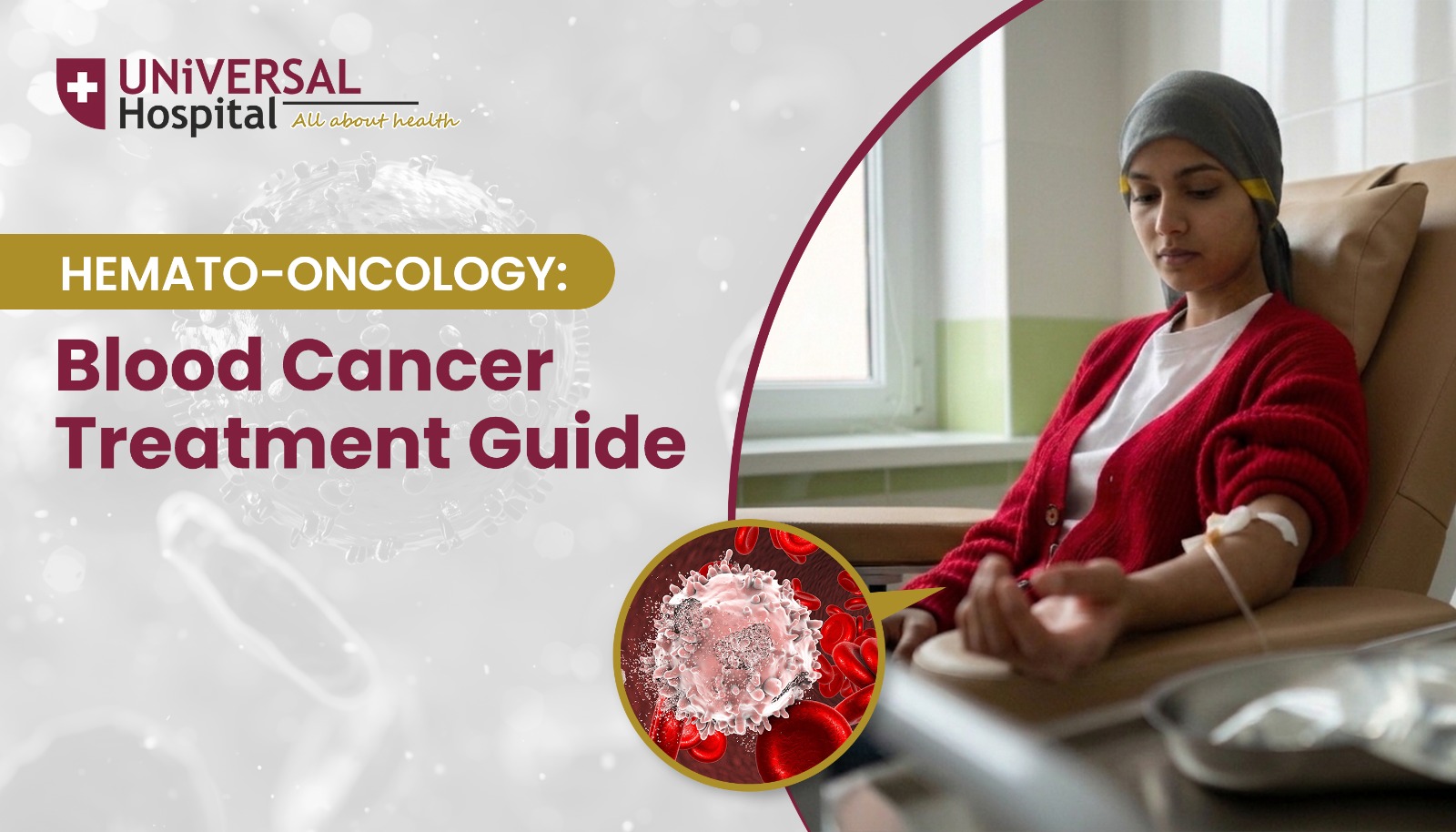
Blood cancers affect thousands of people every year and can significantly impact overall health, immunity, and quality of life. Advances in modern medicine, however, have transformed how these cancers are diagnosed and treated.
The specialized field known as hemato oncology focuses on the diagnosis, treatment, and long-term management of blood-related cancers and disorders. With early diagnosis and advanced therapies, many patients today achieve long-term remission and improved survival.
For patients and families, understanding blood cancer can reduce fear and help them make informed treatment decisions.
At Universal Hospital Surat, our advanced Cancer Care & Oncology services provide comprehensive and compassionate care for patients diagnosed with blood cancers such as leukemia, lymphoma, and related disorders.
In this blog, we will discuss:
- What hemato-oncology means
- Different types of blood cancer
- Causes and symptoms
- Diagnostic procedures
- Modern treatment options
- Lifestyle and supportive care
- Why Universal Hospital is trusted for blood cancer treatment
What Is Hemato-Oncology? Understanding Hemato-Oncology
Hemato-oncology is a medical specialty that combines:
- Hematology (study of blood disorders)
- Oncology (study of cancer)
This field focuses on diagnosing and treating cancers that affect:
- Blood
- Bone marrow
- Lymphatic system
Specialists in hemato-oncology manage both cancer treatment and blood-related complications.
What Is Blood Cancer?
Blood cancer occurs when abnormal blood cells grow uncontrollably and interfere with normal blood function.
Healthy blood cells are essential for:
- Fighting infections
- Carrying oxygen
- Controlling bleeding
When cancer develops in the blood or bone marrow, these functions become impaired.
Main Types of Blood Cancer
Leukemia
Leukemia is a cancer of the blood and bone marrow.
It causes the body to produce abnormal white blood cells that do not function properly.
Common Types Include:
- Acute lymphocytic leukemia (ALL)
- Acute myeloid leukemia (AML)
- Chronic lymphocytic leukemia (CLL)
- Chronic myeloid leukemia (CML)
Leukemia may progress rapidly or slowly depending on the type.
Lymphoma
Lymphoma affects the lymphatic system, which is part of the immune system.
It develops when lymphocytes (a type of white blood cell) grow abnormally.
Major Types Include:
- Hodgkin lymphoma
- Non-Hodgkin lymphoma
Lymphoma commonly affects lymph nodes, spleen, and bone marrow.
Multiple Myeloma
This blood cancer affects plasma cells in the bone marrow.
It can weaken bones, reduce immunity, and affect kidney function.
Causes and Risk Factors for Blood Cancer
The exact cause of blood cancer is not always known. However, several factors may increase risk.
Common Risk Factors Include:
Genetic Factors
- Family history of blood cancer
- Genetic mutations
Radiation Exposure
High radiation exposure may increase cancer risk.
Chemical Exposure
Long-term exposure to chemicals like benzene may contribute to blood cancer development.
Smoking
Smoking is associated with certain forms of leukemia.
Weakened Immune System
Immune disorders or long-term immune suppression may increase lymphoma risk.
While some risks cannot be controlled, early detection remains extremely important.
Common Symptoms of Blood Cancer
Symptoms often vary depending on the type and stage of disease.
Warning Signs That Should Not Be Ignored
- Persistent fatigue
- Frequent infections
- Unexplained fever
- Night sweats
- Swollen lymph nodes
- Easy bruising or bleeding
- Bone or joint pain
- Unexplained weight loss
These symptoms may resemble common illnesses, which is why medical evaluation is essential if they persist.
How Blood Cancer Is Diagnosed
Early diagnosis improves treatment outcomes significantly.
Common Diagnostic Tests
Blood Tests
Doctors evaluate:
- White blood cells
- Red blood cells
- Platelet counts
Abnormal results may indicate blood cancer.
Bone Marrow Biopsy
A small sample of bone marrow is examined to identify abnormal cancer cells.
This is one of the most important tests in hemato-oncology.
Imaging Tests
Scans such as:
- CT scans
- PET scans
- MRI scans
help determine whether cancer has spread.
Lymph Node Biopsy
Used particularly in diagnosing lymphoma.
Staging and Prognosis in Blood Cancer
Once diagnosed, doctors determine:
- Type of cancer
- Stage of disease
- Spread to other organs
- Patient’s overall health
These factors help guide treatment planning and prognosis.
Modern therapies have greatly improved outcomes for many blood cancer patients.
Treatment Options in Hemato-Oncology
Blood cancer treatment depends on:
- Cancer type
- Stage
- Patient age and health
- Genetic markers
Most patients require personalized treatment plans.
Chemotherapy
What Is Chemotherapy?
Chemotherapy uses powerful medicines to destroy cancer cells.
It is commonly used for:
- Leukemia
- Lymphoma
- Multiple myeloma
Common Side Effects
- Hair loss
- Fatigue
- Nausea
- Low immunity
Supportive medications help manage these effects effectively.
People you also may know about chemotherapy in detail: Chemotherapy: What to Expect During Cancer Treatment
Targeted Therapy
How Targeted Therapy Works
Targeted therapy attacks specific proteins or genetic mutations responsible for cancer growth.
Benefits include:
- More precise treatment
- Reduced damage to healthy cells
- Improved effectiveness in certain cancers
Immunotherapy
Immunotherapy helps the immune system recognize and attack cancer cells.
It is increasingly used in modern hemato-oncology treatment plans.
Bone Marrow or Stem Cell Transplant
Some patients may require:
- Bone marrow transplant
- Stem cell transplant
These procedures replace diseased bone marrow with healthy blood-forming cells.
Transplantation may offer long-term remission in selected patients.
Radiation Therapy
Radiation therapy may be used in:
- Certain lymphoma cases
- Cancer spread management
- Symptom relief
It helps shrink cancerous tissues and control disease progression.
The Role of Diet During Blood Cancer Treatment
Good nutrition supports recovery and treatment tolerance.
Recommended Foods Include:
- Protein-rich foods
- Fresh fruits and vegetables
- Whole grains
- Adequate fluids
Foods to Avoid
- Raw or undercooked food during low immunity
- Excess processed foods
- Sugary beverages
Nutrition plans should be personalized according to treatment needs.
Exercise and Physical Activity During Recovery
Gentle exercise can improve recovery and emotional well-being.
Benefits Include:
- Reduced fatigue
- Improved strength
- Better sleep
- Enhanced mental health
Recommended activities may include:
- Walking
- Light stretching
- Breathing exercises
- Gentle yoga
Patients should always consult their oncology team before beginning exercise routines.
Emotional and Mental Health Support
A blood cancer diagnosis affects emotional health as much as physical health.
Patients and families may experience:
- Anxiety
- Fear about prognosis
- Stress related to treatment
- Emotional exhaustion
Supportive care is an essential part of modern oncology.
Importance of Family and Support Systems
Strong support systems improve treatment experiences and emotional resilience.
Helpful support may include:
- Family involvement
- Counseling services
- Patient support groups
- Open communication with doctors
Holistic care improves quality of life during treatment.
Advances in Modern Hemato-Oncology
Modern medicine has dramatically improved blood cancer treatment outcomes.
Recent advances include:
- Precision medicine
- Genetic testing
- Advanced immunotherapy
- Safer stem cell transplantation
- Personalized targeted therapies
These innovations continue to improve survival and long-term remission rates.
Why Choose Universal Hospital for Cancer Care & Oncology?
Choosing the right cancer center is critical for effective treatment and long-term care.
Universal Hospital Surat offers advanced and compassionate Cancer Care & Oncology services for patients with blood cancers and hematological disorders.
Expert Hemato-Oncology Specialists
The hospital has experienced teams specializing in:
- Leukemia treatment
- Lymphoma management
- Stem cell transplantation
- Blood disorder care
Patients receive personalized treatment plans tailored to their condition.
Advanced Diagnostic and Treatment Facilities
Universal Hospital provides:
- Advanced pathology and laboratory services
- Modern imaging technology
- Chemotherapy and immunotherapy support
- Comprehensive cancer diagnostics
This helps ensure accurate diagnosis and effective treatment planning.
Comprehensive Patient-Centered Care
The hospital offers:
- Nutritional counseling
- Psychological support
- Infection prevention guidance
- Long-term follow-up care
Care is focused not only on treatment but also on improving overall quality of life.
Compassionate and Ethical Oncology Care
At Universal Hospital:
- Patients receive clear communication and emotional support
- Families are actively involved in care decisions
- Treatment is delivered with empathy and dignity
The hospital believes every cancer patient deserves compassionate and personalized care.
Take the First Step Toward Advanced Blood Cancer Care
Modern hemato-oncology has transformed the diagnosis and treatment of blood cancer, giving patients more hope than ever before.
With advances in therapies for leukemia, lymphoma, and related disorders, early diagnosis and expert care can significantly improve outcomes.
If you or your loved one is facing a blood cancer diagnosis, timely medical guidance is essential.
👉 Schedule your consultation at Universal Hospital Surat
👉 Meet experienced hemato-oncology specialists
👉 Access advanced and compassionate cancer treatment services
Choose Universal Hospital for trusted Cancer Care & Oncology — where advanced medicine and compassionate healing come together.
📍 Universal Superspeciality Hospital beside Jash Infinity, Behind New SMC Building, Civil Cross Road, Khatodara, Surat, India, 395001
📞 +91 90810 82632
🌐 www.universalhospitalsurat.com
